Amazon Fire TV Alexa Voice Remote: A Comprehensive Guide for 2026
Evaluate the Amazon Fire TV Alexa Voice Remote’s compatibility, features, and usability in 2026. Learn about its ecosystem integration, TV controls, and voice command capabilities.
The Importance of Choosing the Right Amazon Device for 2026
In 2026, the Amazon ecosystem has become an essential part of the modern home, with consumers seeking seamless integration between smart devices, voice assistants, and entertainment systems. Whether you’re a tech-savvy user, a family looking for simplified media access, or a home automation enthusiast, selecting the right Amazon device can significantly enhance your digital experience. The Amazon Fire TV Alexa Voice Remote, designed for compatibility with newer Fire TV devices and Echo Show 15 models, represents a critical component of this ecosystem. This remote is tailored for users who prioritize voice-driven control, streamlined navigation, and cross-device functionality. Its design reflects Amazon’s focus on usability, particularly for households that rely on multiple smart devices. However, its compatibility limitations with older Fire TV models and lack of physical buttons for certain functions may influence user preferences. Understanding the device’s features, compatibility, and usability is essential for making an informed decision. This review provides an in-depth analysis of the Fire TV Alexa Voice Remote, helping buyers evaluate its suitability for their specific needs and household setup.
Quick Overview
| Feature | Details |
|---|---|
| Device Category | Voice remote for Fire TV and Echo Show 15 devices |
| Core Features | Alexa voice commands, TV controls, preset app buttons, guide button |
| Voice Assistant Support | Alexa integration for content discovery and control |
| Connectivity & Compatibility | Works with Fire TV Stick 4K (1st Gen and later), Fire TV Cube (2nd Gen and later), and Echo Show 15 |
| Supported Ecosystems | Amazon Alexa, Fire TV, and Echo Show devices |
| Intended Users | Families, smart home users, and media consumers with newer Amazon devices |
| Warranty/Support | Amazon’s standard 1-year warranty for accessories |
This remote is ideal for users who rely on voice commands to manage their entertainment and smart home systems. Its compatibility with newer Fire TV devices and Echo Show 15 ensures a cohesive experience, but its exclusion of older models may limit its appeal for certain users.

Ecosystem Integration and Cross-Device Functionality
The Fire TV Alexa Voice Remote is designed to function as a central hub for Amazon’s ecosystem, enabling seamless interaction between Fire TV devices, Echo Show 15, and other Alexa-enabled products. Its integration with Alexa allows users to search for content, control smart home devices, and manage their media library through voice commands. This functionality is particularly beneficial for households that have multiple Amazon devices, as it reduces the need for multiple remotes. The remote’s compatibility with Fire TV Stick 4K and Fire TV Cube (2nd Gen and later) models ensures that users can leverage advanced features like 4K streaming and voice-activated content discovery. However, its exclusion of older Fire TV models means that users with legacy devices may need to seek alternative solutions. This limitation highlights the importance of checking compatibility requirements before purchasing, as the remote’s ecosystem integration is optimized for newer devices.

Compatibility with Fire TV and Echo Show Devices
The remote’s compatibility with Fire TV Stick 4K and Fire TV Cube (2nd Gen and later) models ensures that users can take full advantage of Amazon’s advanced streaming capabilities. These devices support 4K HDR content, voice-activated search, and multi-room audio, making them ideal for users who prioritize high-quality media experiences. The integration with Echo Show 15 further enhances the remote’s utility, allowing users to control their smart home devices and access Alexa features without needing a separate remote. However, its incompatibility with older Fire TV models, such as the Fire TV (1st, 2nd, and 3rd Gen), means that users with legacy devices may not benefit from its features. This limitation underscores the importance of verifying device compatibility before purchasing, as the remote’s functionality is tailored for newer Amazon hardware.
Cross-Device Voice Assistant Integration
The remote’s seamless integration with Alexa enables users to manage multiple Amazon devices through a single interface. For example, users can ask Alexa to play specific content on their Fire TV device, adjust smart home settings, or control their Echo Show 15 without needing to switch between remotes. This cross-device functionality is particularly advantageous for households that rely on voice commands for convenience and efficiency. However, the remote’s reliance on voice-activated commands may not suit users who prefer physical buttons for certain functions. This trade-off between voice control and physical interaction is a key consideration for potential buyers, as it affects the remote’s usability in different scenarios.
Support for Smart Home Automation
The Fire TV Alexa Voice Remote enhances the user experience by enabling voice-activated control of smart home devices through Alexa. Users can adjust lighting, thermostat settings, or security systems using simple voice commands, making it an essential tool for smart home automation. This integration is particularly beneficial for users who have a comprehensive Amazon smart home setup, as it simplifies the management of multiple devices. However, the remote’s lack of dedicated physical buttons for smart home functions means that users may need to rely on voice commands for certain tasks. This design choice reflects Amazon’s focus on voice-first interactions but may not align with the preferences of all users.
Ease of Use and Everyday Functionality
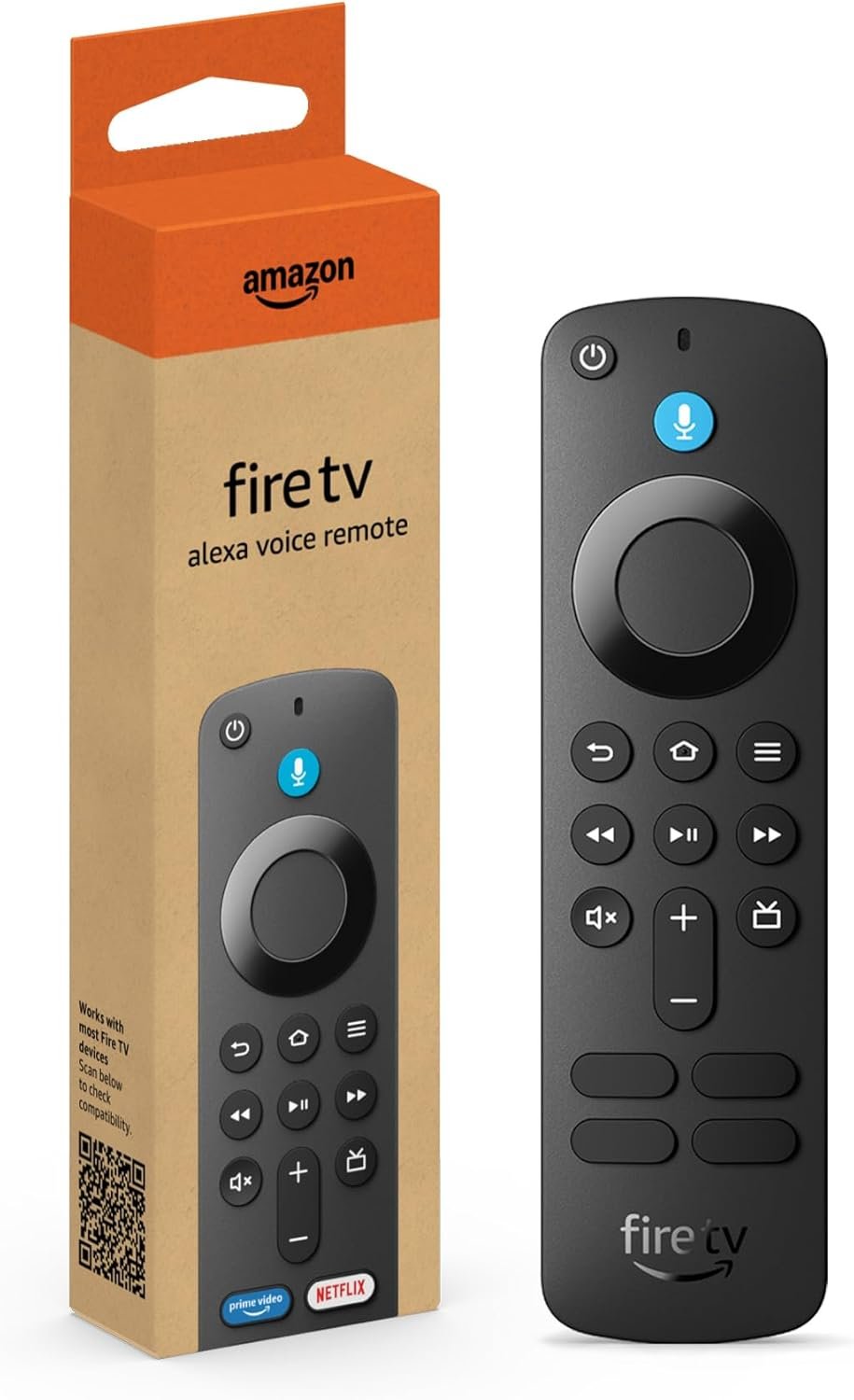
The Fire TV Alexa Voice Remote is designed with simplicity and efficiency in mind, making it an excellent choice for users who prioritize ease of use. Its intuitive interface allows users to navigate their Fire TV experience with minimal effort, whether they’re searching for content, adjusting settings, or controlling their smart home devices. The inclusion of dedicated power, volume, and mute buttons for compatible TVs and soundbars ensures that users can manage their audio and video settings without needing to access the Fire TV device itself. This feature is particularly beneficial for users who frequently switch between different audio sources, such as a TV and a soundbar. However, the remote’s reliance on voice commands for many functions may not suit users who prefer physical buttons for specific tasks. This balance between voice control and physical interaction is a key consideration for potential buyers, as it affects the remote’s usability in different scenarios.

Intuitive Voice Command Interface
The remote’s integration with Alexa enables users to search for content, launch apps, and control their Fire TV experience through voice commands. This feature is particularly advantageous for users who prioritize hands-free operation, especially when multitasking or managing multiple devices. The ability to ask Alexa to find and launch content quickly enhances the overall user experience, reducing the need for manual navigation. However, the effectiveness of voice commands depends on the accuracy of Alexa’s voice recognition, which may vary based on environmental factors and user accents. This limitation highlights the importance of considering the remote’s voice command capabilities when evaluating its suitability for different users.
Dedicated Buttons for TV and Audio Control
The remote includes dedicated power, volume, and mute buttons for compatible TVs, soundbars, and receivers, allowing users to manage their audio and video settings without needing to access the Fire TV device itself. This feature is particularly beneficial for users who frequently switch between different audio sources, such as a TV and a soundbar. The physical buttons provide a reliable alternative to voice commands, ensuring that users can adjust their audio settings quickly and efficiently. However, the remote’s lack of physical buttons for certain functions means that users may need to rely on voice commands for specific tasks. This design choice reflects Amazon’s focus on voice-first interactions but may not align with the preferences of all users.
Preset App Buttons for Quick Access
The remote includes preset app buttons for popular streaming services, allowing users to launch their favorite content with a single press. This feature is particularly beneficial for users who frequently access specific apps, such as Netflix, YouTube, or Hulu, as it reduces the time needed to navigate through the Fire TV interface. The ability to quickly access these apps enhances the overall user experience, making the remote an essential tool for frequent media consumers. However, the remote’s limited number of preset buttons may not suit users who rely on a wide variety of streaming services. This limitation underscores the importance of considering the remote’s app-specific functionality when evaluating its suitability for different users.
Guide Button for Live TV Navigation
The remote includes a guide button that provides access to channel and program listings, allowing users to navigate through live TV apps in one place. This feature is particularly beneficial for users who rely on live TV services, such as live sports or news channels, as it streamlines the process of finding and accessing content. The guide button enhances the overall user experience by reducing the need to search through multiple apps for live content. However, the effectiveness of this feature depends on the availability of live TV apps on the user’s Fire TV device. This limitation highlights the importance of verifying the availability of live TV apps before purchasing the remote.
Performance Reliability and Responsiveness
The Fire TV Alexa Voice Remote is designed to deliver reliable performance and responsiveness, ensuring that users can navigate their Fire TV experience without interruptions. Its integration with Alexa enables seamless voice-activated commands, allowing users to search for content, adjust settings, and control their smart home devices with ease. The remote’s compatibility with newer Fire TV devices and Echo Show 15 ensures that users can take full advantage of Amazon’s advanced streaming capabilities. However, the remote’s reliance on voice commands for many functions may affect its responsiveness in certain scenarios. For example, users who require precise control over specific functions may find that the remote’s voice-activated features are less reliable than physical buttons. This trade-off between voice control and physical interaction is a key consideration for potential buyers, as it affects the remote’s usability in different scenarios.

Voice Command Accuracy and Responsiveness
The remote’s integration with Alexa enables users to search for content, launch apps, and control their Fire TV experience through voice commands. This feature is particularly advantageous for users who prioritize hands-free operation, especially when multitasking or managing multiple devices. The ability to ask Alexa to find and launch content quickly enhances the overall user experience, reducing the need for manual navigation. However, the effectiveness of voice commands depends on the accuracy of Alexa’s voice recognition, which may vary based on environmental factors and user accents. This limitation highlights the importance of considering the remote’s voice command capabilities when evaluating its suitability for different users.
Battery Life and Power Management
The remote includes two AAA batteries, ensuring that users can operate it without the need for frequent replacements. This design choice is particularly beneficial for users who prefer a low-maintenance remote, as it eliminates the need for additional accessories or charging docks. However, the remote’s battery life may vary depending on usage patterns, such as frequent voice commands or extended periods of use. This limitation underscores the importance of considering the remote’s power requirements when evaluating its suitability for different users. For example, users who rely heavily on voice-activated commands may need to replace batteries more frequently, which could affect the remote’s long-term usability.
Durability and Build Quality
The remote is constructed with a durable design that ensures it can withstand regular use in a home environment. Its ergonomic shape and tactile buttons provide a comfortable grip, making it easy to handle during extended use. The remote’s build quality is particularly beneficial for users who frequently use voice commands or navigate through their Fire TV experience. However, the remote’s reliance on voice-activated features may make it less suitable for users who prefer physical buttons for specific functions. This design choice reflects Amazon’s focus on voice-first interactions but may not align with the preferences of all users.
Privacy and Security Considerations
The Fire TV Alexa Voice Remote is designed with privacy and security in mind, ensuring that users can manage their data and voice interactions with confidence. Its integration with Alexa allows users to control their smart home devices and access content through voice commands, but it also raises concerns about data collection and privacy. Amazon’s privacy policies emphasize the importance of user consent and data protection, but users should be aware of the potential risks associated with voice-activated devices. For example, the remote’s ability to record and process voice commands may raise concerns about data storage and third-party access. This trade-off between convenience and privacy is a key consideration for potential buyers, as it affects the remote’s suitability for different users.
Data Collection and Voice Command Privacy
The remote’s integration with Alexa enables users to control their smart home devices and access content through voice commands. However, this functionality also means that the remote collects and processes voice data, which may raise privacy concerns for some users. Amazon’s privacy policies state that user data is stored securely and used to improve the Alexa experience, but users should be aware of the potential risks associated with voice-activated devices. For example, the remote’s ability to record and process voice commands may lead to data storage and third-party access, which could affect user privacy. This trade-off between convenience and privacy is a key consideration for potential buyers, as it affects the remote’s suitability for different users.
Security Measures and User Control
The remote includes security measures to protect user data and prevent unauthorized access. For example, users can manage their Alexa settings to control which data is collected and how it is used. Additionally, Amazon provides options for users to delete their voice recordings and disable certain features to enhance privacy. These security measures are particularly beneficial for users who prioritize data protection and privacy. However, the remote’s reliance on voice-activated commands may make it less secure for users who prefer physical buttons for specific functions. This design choice reflects Amazon’s focus on voice-first interactions but may not align with the preferences of all users.
User Control Over Smart Home Integration
The remote’s integration with Alexa allows users to control their smart home devices through voice commands, but it also means that users have to manage their privacy settings carefully. For example, users can adjust their Alexa settings to control which smart home devices are accessible through voice commands, ensuring that their data remains private. This level of user control is particularly beneficial for users who prioritize privacy and security. However, the remote’s reliance on voice-activated commands may make it less secure for users who prefer physical buttons for specific functions. This design choice reflects Amazon’s focus on voice-first interactions but may not align with the preferences of all users.
Pros & Cons
Pros
- Seamless Integration with Alexa: The remote’s compatibility with Alexa enables users to control their smart home devices and manage their Fire TV experience through voice commands, enhancing convenience and efficiency.
- Dedicated TV Controls: The inclusion of power, volume, and mute buttons for compatible TVs and soundbars allows users to manage their audio and video settings without needing to access the Fire TV device itself.
- Preset App Buttons for Quick Access: The remote’s preset app buttons for popular streaming services reduce the time needed to navigate through the Fire, making it an essential tool for frequent media consumers.
- Guide Button for Live TV Navigation: The guide button provides access to channel and program listings, streamlining the process of finding and accessing live TV content.
- Compatibility with Newer Fire TV Devices: The remote’s compatibility with Fire TV Stick 4K and Fire TV Cube (2nd Gen and later) models ensures that users can take full advantage of Amazon’s advanced streaming capabilities.
- Durable Build Quality: The remote is constructed with a durable design that ensures it can withstand regular use in a home environment, providing a comfortable grip for extended use.
- Low Maintenance with AAA Batteries: The remote includes two AAA batteries, eliminating the need for frequent replacements and reducing maintenance requirements.
Cons
- Limited Compatibility with Older Fire TV Models: The remote is not compatible with Fire TV (1st, 2nd, and 3rd Gen), Fire TV Stick (1st and 2nd Gen), Fire TV Cube (1st Gen), or Fire TV Edition smart TVs, limiting its appeal for users with legacy devices.
- Reliance on Voice Commands for Key Functions: The remote’s integration with Alexa means that many functions are controlled through voice commands, which may not suit users who prefer physical buttons for specific tasks.
- Potential Privacy Concerns: The remote’s ability to record and process voice commands may raise privacy concerns for some users, particularly regarding data collection and third-party access.
- Limited Number of Preset App Buttons: The remote’s limited number of preset buttons may not suit users who rely on a wide variety of streaming services, requiring more manual navigation.
- Battery Life Variability: While the remote includes two AAA batteries, its battery life may vary depending on usage patterns, such as frequent voice commands or extended periods of use.
Final Verdict: Who This Device Is Best For (and Who Should Skip It)
The Amazon Fire TV Alexa Voice Remote is an excellent choice for users who prioritize voice-driven control, seamless integration with Amazon’s ecosystem, and quick access to their favorite streaming services. It is particularly well-suited for families and smart home users who rely on newer Fire TV devices and Echo Show 15 models. The remote’s dedicated TV controls, preset app buttons, and guide button enhance the user experience, making it a valuable addition to a comprehensive Amazon setup. However, its limited compatibility with older Fire TV models and reliance on voice commands may make it unsuitable for users who prefer physical buttons for specific functions. Additionally, users who are concerned about privacy and data collection may find the remote’s voice-activated features less appealing. For those seeking a more traditional remote with physical buttons, alternative options such as the Fire TV Stick remote or dedicated smart home controllers may be more appropriate. Overall, the Fire TV Alexa Voice Remote is best suited for users who value voice integration and cross-device functionality within the Amazon ecosystem.
Frequently Asked Questions (FAQs)
Is the Fire TV Alexa Voice Remote compatible with older Fire TV models?
The remote is not compatible with Fire TV (1st, 2nd, and 3rd Gen), Fire TV Stick (1st and 2nd Gen), Fire TV Cube (1st Gen), or Fire TV Edition smart TVs. It is designed for newer Fire TV devices and Echo Show 15 models.
How does the remote integrate with Alexa?
The remote enables voice-activated control of smart home devices and media content through Alexa. Users can ask Alexa to find, launch, and control content, as well as manage their smart home ecosystem.
Can I use the remote to control my TV and soundbar?
Yes, the remote includes dedicated power, volume, and mute buttons for compatible TVs, soundbars, and receivers, allowing users to manage their audio and video settings without accessing the Fire TV device.
What are the preset app buttons used for?
The remote includes preset app buttons for popular streaming services like Netflix, YouTube, and Hulu, enabling users to launch their favorite content with a single press.
How long does the remote’s battery last?
The remote includes two AAA batteries, and its battery life may vary depending on usage patterns. Frequent voice commands or extended use may require more frequent battery replacements.
Does the remote support live TV navigation?
Yes, the remote includes a guide button that provides access to channel and program listings, allowing users to navigate through live TV apps in one place.
What are the privacy considerations with this remote?
The remote’s integration with Alexa means it can record and process voice commands, which may raise privacy concerns. Users should review Amazon’s privacy policies and adjust settings to manage data collection and access.
Is the remote suitable for users who prefer physical buttons?
The remote relies heavily on voice commands for many functions, which may not suit users who prefer physical buttons. It is best suited for users who value voice integration and cross-device functionality within the Amazon ecosystem.