Echo (4th Generation) International Version Review: Smart Home Hub with Premium Sound
The Echo (4th generation) International Version offers premium sound quality, smart home integration, and privacy controls. Ideal for US households seeking a versatile smart home hub with Alexa support.
The Importance of Choosing the Right Amazon Smart Home Device
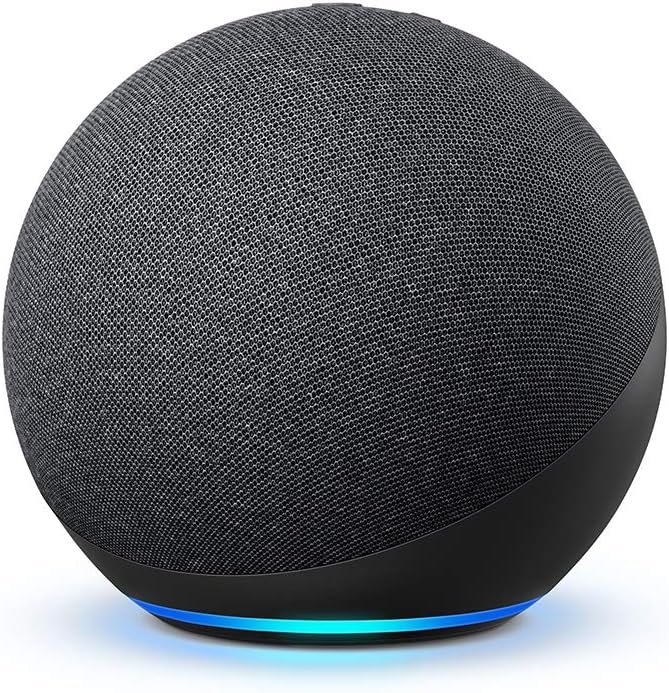
In the rapidly evolving landscape of smart home technology, selecting the right device can significantly impact the efficiency, convenience, and security of a household. The Amazon Echo (4th generation) International Version represents a strategic entry point for users seeking a versatile smart home hub with advanced audio capabilities. Designed to integrate seamlessly with the Alexa ecosystem, this device caters to a wide range of user profiles, from tech-savvy individuals to families looking to automate daily tasks. Its primary appeal lies in its ability to serve as a central control point for smart home devices while delivering high-quality audio performance. For users in the United States, the Echo’s compatibility with popular streaming services and its robust privacy features make it an attractive option for those prioritizing both functionality and security. Understanding the specific features and limitations of this device is crucial for making an informed decision, particularly for households with diverse smart home needs or those seeking a reliable voice assistant for daily use.
Quick Overview
| Feature | Details |
|---|---|
| Device Category | Smart home hub and voice assistant |
| Core Features | Alexa voice assistant, Zigbee smart home integration, premium audio output |
| Voice Assistant | Alexa (English US/Spain) |
| Connectivity | Wi-Fi, Bluetooth, Zigbee |
| Supported Ecosystems | Amazon Alexa, third-party smart home devices |
| Intended Users | Tech-savvy individuals, families, home automation enthusiasts |
| Privacy Features | Microphone Off button, encrypted data transmission |
The Echo (4th generation) International Version is designed to serve as a multifunctional hub for smart home automation while delivering high-fidelity audio. Its integration with Alexa enables users to control compatible devices, access streaming services, and manage daily tasks through voice commands. The inclusion of Zigbee support expands its compatibility with a wide range of smart home devices, making it a versatile choice for users looking to centralize their home automation setup. However, its international version status means certain features, such as Alexa Guard and Amazon Kids, may not be available in all regions, which could influence its suitability for specific user profiles.

Sound Quality and Audio Performance
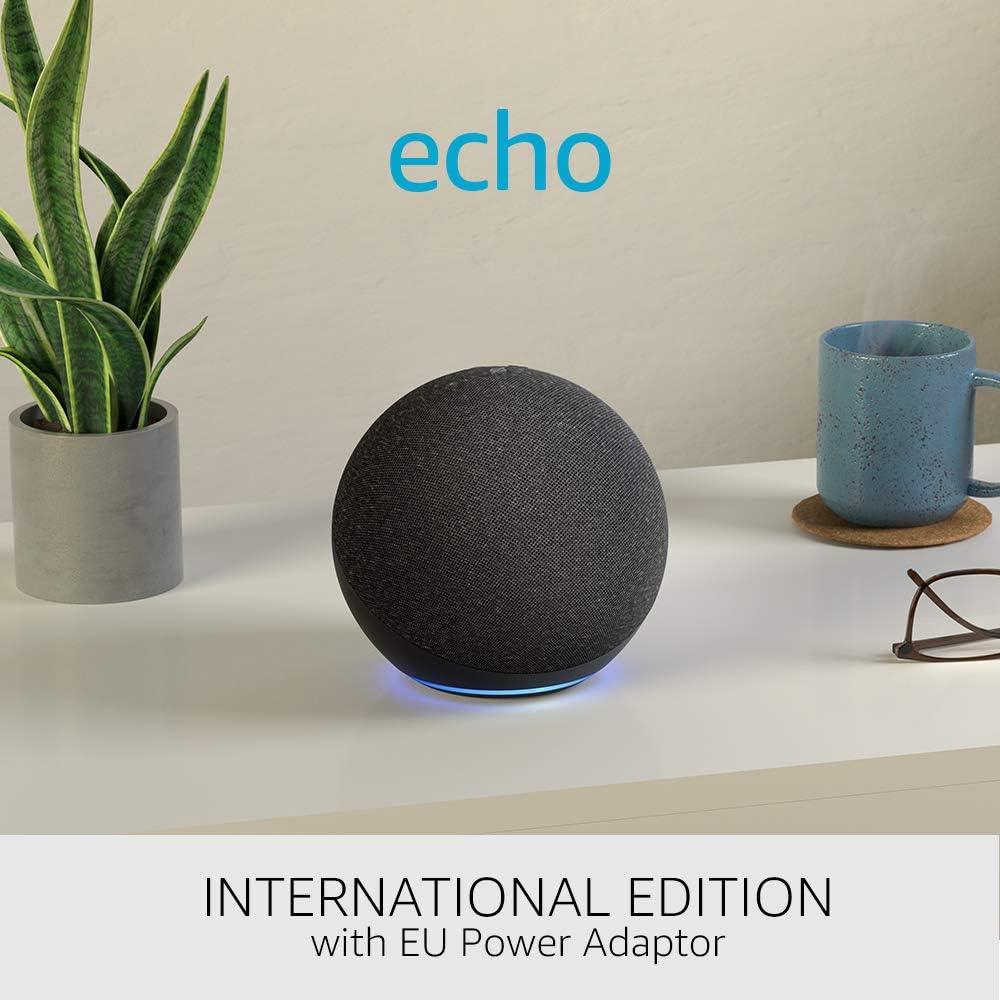
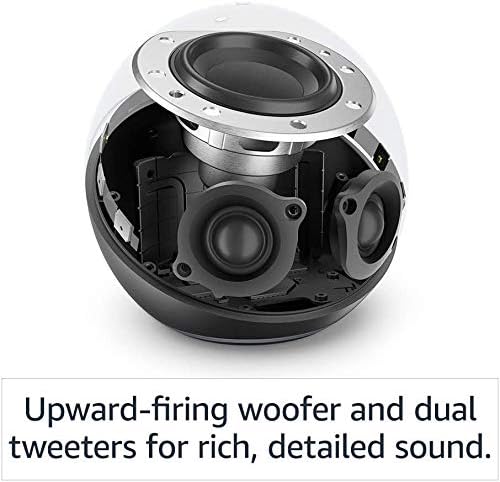
The Echo (4th generation) International Version prioritizes audio excellence, offering a premium sound experience that adapts to different room environments. Its advanced audio technology ensures clear highs, dynamic mids, and deep bass, making it suitable for both casual listening and immersive entertainment. The device’s adaptive sound tuning automatically adjusts to optimize audio output based on the room’s acoustics, enhancing the overall listening experience without requiring manual calibration. This feature is particularly beneficial for users who value high-fidelity audio and seek a seamless integration of music and voice assistance in their daily routines.
Adaptive Audio Tuning
The Echo’s ability to automatically adjust its audio output based on the room’s acoustics is a standout feature for users who prioritize sound quality. This adaptive tuning ensures that music and voice commands are delivered with clarity and depth, regardless of the room’s size or layout. The integration of advanced audio processing technology allows the device to maintain consistent performance across different environments, making it an ideal choice for users who frequently move the device between spaces or have varying acoustic conditions.
Compatibility with Streaming Services
The Echo (4th generation) supports a range of streaming platforms, including Amazon Music Unlimited, Spotify, and TuneIn, providing users with diverse music options. However, it’s important to note that certain services, such as Spotify’s Free Tier, may not be available in all regions, which could affect the device’s appeal for users relying on specific streaming platforms. The inclusion of TuneIn further expands its versatility, allowing users to access a wide array of radio stations and live broadcasts. This compatibility makes the Echo a valuable addition to households that prioritize multi-platform music access.
Integration with Smart Home Ecosystems
Beyond its audio capabilities, the Echo’s role as a smart home hub is central to its functionality. The built-in Zigbee support enables seamless integration with a broad spectrum of third-party smart home devices, allowing users to control lights, thermostats, and other compatible devices through voice commands. This integration simplifies home automation by centralizing control within a single device, reducing the complexity of managing multiple smart home systems. The device’s ability to act as a smart home hub enhances its value for users seeking a unified approach to home automation.
Smart Home Integration and Ecosystem Compatibility
The Echo (4th generation) International Version excels in its ability to connect and control a wide array of smart home devices, making it a cornerstone of a modern smart home setup. Its compatibility with Zigbee technology allows users to integrate devices from various manufacturers, ensuring a flexible and scalable smart home environment. This feature is particularly advantageous for users who have already invested in multiple smart home devices from different brands, as it eliminates the need for additional hubs or compatibility issues.
Seamless Zigbee Connectivity
The built-in Zigbee support on the Echo (4th generation) enables users to connect and manage a vast number of compatible smart home devices without the need for a separate hub. This direct integration simplifies the setup process and ensures that all connected devices can be controlled through a single interface. The device’s ability to maintain stable connections with Zigbee devices enhances its reliability as a central hub, making it an ideal choice for users who rely on multiple smart home devices for daily tasks.
Cross-Platform Compatibility
While the Echo is primarily designed for use with the Alexa ecosystem, its compatibility with other platforms extends its utility. The device’s ability to integrate with third-party smart home systems allows users to expand their smart home capabilities beyond the Amazon ecosystem. This cross-platform compatibility is particularly beneficial for users who prefer a more open approach to smart home automation, as it enables them to leverage existing investments in devices from different manufacturers.
Integration with Voice Assistants
The Echo’s integration with Alexa is a key component of its functionality, providing users with a powerful voice assistant that can manage a wide range of tasks. The device’s ability to respond to voice commands for music playback, reminders, and smart home control makes it a valuable addition to any household. However, the limited support for certain Alexa features in international regions may affect its usability for users in specific locations, highlighting the importance of checking feature availability before purchase.
Privacy and Security Considerations
Privacy and security are critical factors for users considering the Echo (4th generation) International Version, particularly given the device’s role as a voice assistant and smart home hub. Amazon has implemented several measures to protect user data and ensure secure operation, including a dedicated Microphone Off button that physically disables the device’s audio capture capabilities. This feature provides users with greater control over their privacy, allowing them to disable the microphone when not in use. Additionally, the device’s data transmission is encrypted, ensuring that user interactions are protected from potential security threats.

Physical Microphone Off Button
The inclusion of a physical Microphone Off button is a significant privacy feature that sets the Echo (4th generation) apart from other voice assistants. This button allows users to disable the device’s microphones entirely, providing a tangible way to ensure that no audio data is being captured or transmitted. This feature is particularly important for users who are concerned about privacy and want to minimize the risk of unintended data collection.
Data Encryption and Transmission
The Echo’s use of encrypted data transmission ensures that user interactions with Alexa are protected from unauthorized access. This encryption protocol safeguards the confidentiality of user data, reducing the risk of data breaches or eavesdropping. For users who prioritize data security, the device’s encrypted communication channels offer an added layer of protection, making it a suitable choice for those who are cautious about their online privacy.
Secure Cloud Integration
The Echo’s integration with Amazon’s cloud-based Alexa service is designed to maintain secure and reliable data handling. The device’s ability to store and process user data in a secure cloud environment ensures that sensitive information is protected from potential vulnerabilities. This secure integration is essential for users who rely on voice assistants for managing personal and household data, as it minimizes the risk of data exposure.
Ease of Setup and Everyday Usability
The Echo (4th generation) International Version is designed with user-friendly setup processes and intuitive navigation, making it accessible for a wide range of users. The device’s straightforward configuration allows users to quickly integrate it into their smart home ecosystem without requiring advanced technical knowledge. Additionally, the Echo’s seamless interaction with Alexa ensures that users can manage their smart home devices and access various features with ease. This combination of simplicity and functionality enhances the device’s usability, making it an ideal choice for both tech-savvy individuals and those new to smart home technology.

Simplified Setup Process
The Echo’s setup process is designed to be user-friendly, guiding users through the necessary steps to connect the device to their Wi-Fi network and integrate it with their smart home ecosystem. This streamlined approach minimizes the complexity of initial configuration, allowing users to focus on setting up their smart home devices rather than troubleshooting connectivity issues. The ease of setup is particularly beneficial for users who are not familiar with smart home technology, as it reduces the learning curve associated with integrating new devices.
Intuitive Alexa Interface
The Echo’s integration with Alexa provides users with a powerful and intuitive interface for managing their smart home devices and accessing various features. The voice assistant’s ability to respond to natural language commands simplifies the interaction process, making it easier for users to navigate through different functions. This intuitive design ensures that users can efficiently manage their smart, home environment without the need for extensive technical knowledge or manual configuration.
Compatibility with Smart Home Devices
The Echo’s compatibility with a wide range of smart home devices ensures that users can expand their smart home capabilities without limitations. This broad compatibility allows users to integrate devices from different manufacturers, creating a cohesive and functional smart home ecosystem. The device’s ability to manage multiple devices through a single interface enhances its usability, making it an essential component for users who rely on a variety of smart home technologies.

Pros & Cons
Pros
- Premium Sound Quality: The Echo delivers clear highs, dynamic mids, and deep bass, offering a high-fidelity audio experience that adapts to different room environments.
- Smart Home Hub: Its built-in Zigbee support enables seamless integration with a wide range of third-party smart home devices, simplifying home automation.
- Privacy Controls: The physical Microphone Off button and encrypted data transmission provide users with greater control over their privacy and data security.
- Multi-Platform Compatibility: The device supports various streaming services, including Amazon Music Unlimited, Spotify, and TuneIn, enhancing its versatility for music and entertainment.
- User-Friendly Setup: The straightforward configuration process allows users to quickly integrate the device into their smart home ecosystem without requiring technical expertise.
- Voice Assistant Integration: The Echo’s integration with Alexa offers a powerful and intuitive interface for managing smart home devices and accessing a wide range of features.
- Reliable Performance: The device’s adaptive audio tuning and stable connectivity ensure consistent performance across different environments and usage scenarios.
- Scalable Ecosystem: The Echo’s compatibility with multiple smart home systems allows users to expand their smart home capabilities without limitations.
Cons
- Limited Feature Availability: Certain Alexa features, such as Alexa Guard and Amazon Kids, may not be supported in international regions, which could affect the device’s usability for users in specific locations.
- Regional Restrictions: The international version status means that some features and services may not be available in all regions, potentially limiting its appeal for users in certain areas.
- Privacy Concerns: While the Echo offers privacy controls, some users may still have concerns about the continuous data collection associated with voice assistants, even with encryption and the Microphone Off button.
- Complex Setup for Advanced Users: Although the setup process is user-friendly, some advanced users may find the configuration steps insufficient for customizing their smart home setup beyond basic integration.
- Dependence on Wi-Fi: The Echo’s functionality is partially dependent on a stable Wi-Fi connection, which could be a limitation for users with unreliable internet access.
Final Verdict: Who This Device Is Best For (and Who Should Skip It)
The Echo (4th generation) International Version is an excellent choice for users in the United States who seek a versatile smart home hub with premium audio capabilities. Its integration with Alexa, support for a wide range of smart home devices, and adaptive audio tuning make it ideal for households looking to streamline their home automation setup. The device’s privacy features, including the Microphone Off button and encrypted data transmission, provide users with greater control over their data, making it a suitable option for those who prioritize security. However, users in regions where certain Alexa features are not supported may find the device less appealing. Additionally, individuals who require advanced customization or have specific needs that are not addressed by the Echo’s standard features may want to consider alternative smart home solutions. Overall, the Echo is best suited for tech-savvy users and families seeking a reliable, multifunctional smart home device that enhances both convenience and security.

Frequently Asked Questions (FAQs)
Does the Echo (4th generation) support international streaming services?
The Echo (4th generation) International Version supports a range of streaming services, including Amazon Music Unlimited, Spotify, and TuneIn. However, certain services like Spotify’s Free Tier may not be available in all regions, so users should verify compatibility based on their location.
Can the Echo (4th generation) integrate with third-party smart home devices?
Yes, the Echo (4th generation) includes built-in Zigbee support, allowing seamless integration with a wide variety of third-party smart home devices. This compatibility simplifies the process of managing multiple devices within a single smart home ecosystem.
How does the Echo ensure user privacy?
The Echo (4th generation) includes a physical Microphone Off button that disables the device’s audio capture capabilities. Additionally, all data transmitted between the device and the cloud is encrypted, ensuring user interactions are protected from unauthorized access.
Is the Echo (4th generation) suitable for users in international regions?
The Echo (4th generation) International Version is designed for use in various regions, but some Alexa features like Alexa Guard and Amazon Kids may not be available in all locations. Users should check the feature availability for their specific region before purchasing.
What are the setup requirements for the Echo (4th generation)?
The Echo (4th generation) requires a stable Wi-Fi connection for setup and operation. The device’s user-friendly configuration process guides users through connecting to their network and integrating with their smart home ecosystem, making the setup process straightforward.
How does the Echo’s adaptive audio tuning work?
The Echo’s adaptive audio tuning automatically adjusts its sound output based on the room’s acoustics, ensuring optimal audio performance in different environments. This feature enhances the listening experience without requiring manual calibration.
Can the Echo be used with multiple smart home systems?
Yes, the Echo (4th generation) is compatible with various smart home systems, allowing users to integrate devices from different manufacturers. This cross-platform compatibility expands the device’s utility for managing a diverse smart home setup.
What are the limitations of the Echo’s smart home integration?
While the Echo offers broad compatibility with third-party devices, some advanced features or specific devices may not be supported. Users should verify compatibility with their existing smart home devices before purchasing.