Sensi Smart Thermostat ST55 Review: Energy Savings, Privacy, and Ecosystem Integration
The Sensi Smart Thermostat ST55 offers energy savings, privacy features, and compatibility with Alexa.
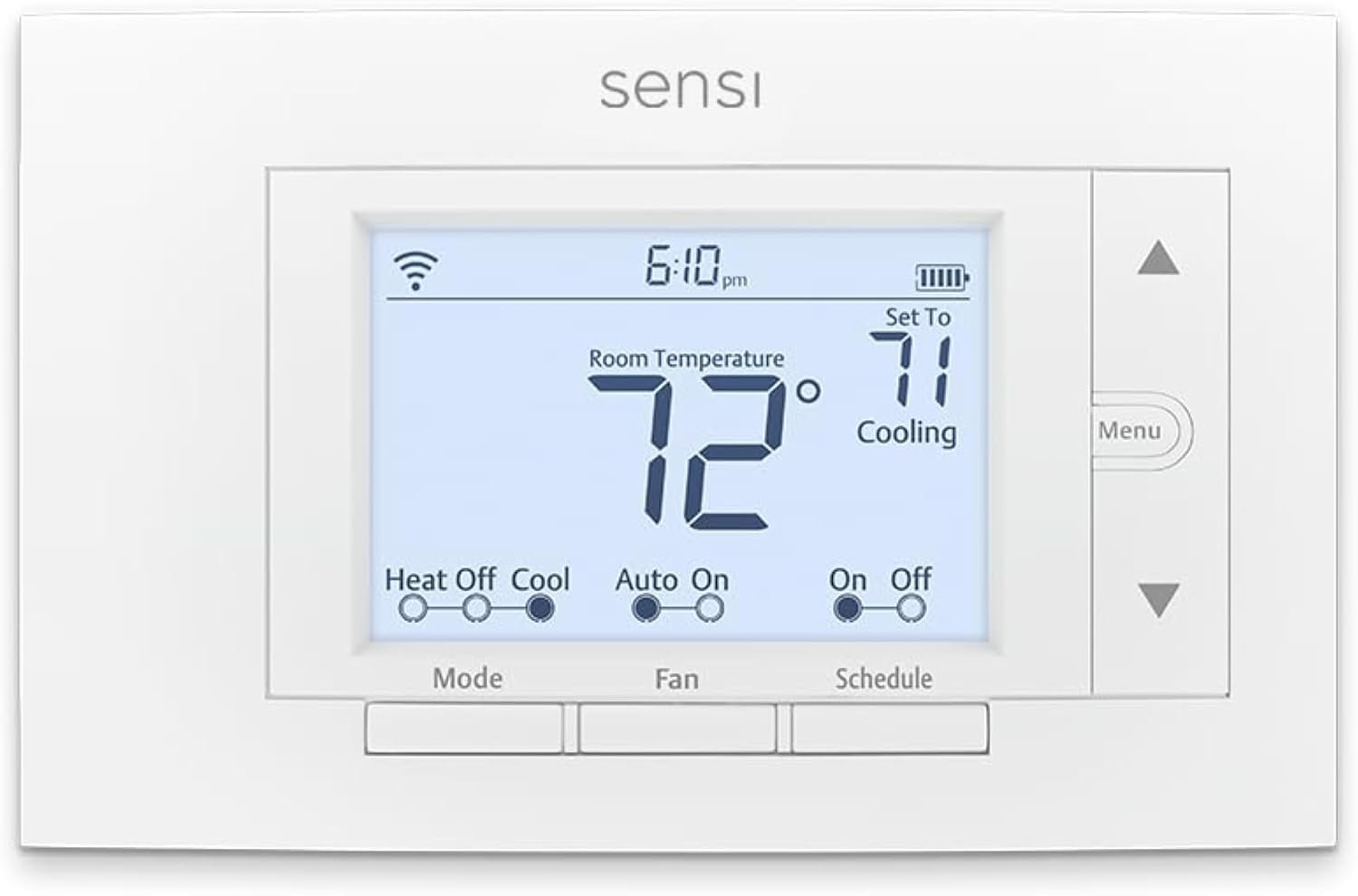
The Sensi Smart Thermostat ST55 is a leading choice for homeowners seeking to balance energy efficiency with data privacy. Designed by Emerson, this ENERGY STAR-certified thermostat offers a unique blend of advanced features, including seamless integration with Amazon Alexa and other smart home ecosystems. Its focus on user privacy—such as not selling personal data to third parties—makes it a compelling option for eco-conscious consumers. The device’s emphasis on DIY installation and compatibility with common HVAC systems positions it as a versatile solution for both modern smart homes and traditional setups. As energy costs rise, the ST55’s ability to deliver personalized climate control while maintaining data security ensures it remains a relevant choice for 2026.
Quick Overview
| Feature | Details |
|---|---|
| Device Category | Smart Thermostat |
| Core Features | Energy savings, data privacy, Alexa/Google Assistant integration |
| Voice Assistant Support | Amazon Alexa, Google Assistant, Apple HomeKit, SmartThings |
| Connectivity Technology | Wi-Fi |
| Intended Users | Eco-conscious homeowners, smart home adopters |
| Warranty Coverage | 3-year manufacturer warranty |
The Sensi ST55’s combination of energy-saving capabilities and robust privacy measures makes it ideal for users prioritizing sustainability without compromising on data security. Its compatibility with multiple smart home platforms ensures seamless integration into existing ecosystems, while its straightforward installation process caters to both DIY enthusiasts and first-time smart thermostat users.

Energy Savings and Environmental Impact

ENERGY STAR Certification and Real-World Efficiency
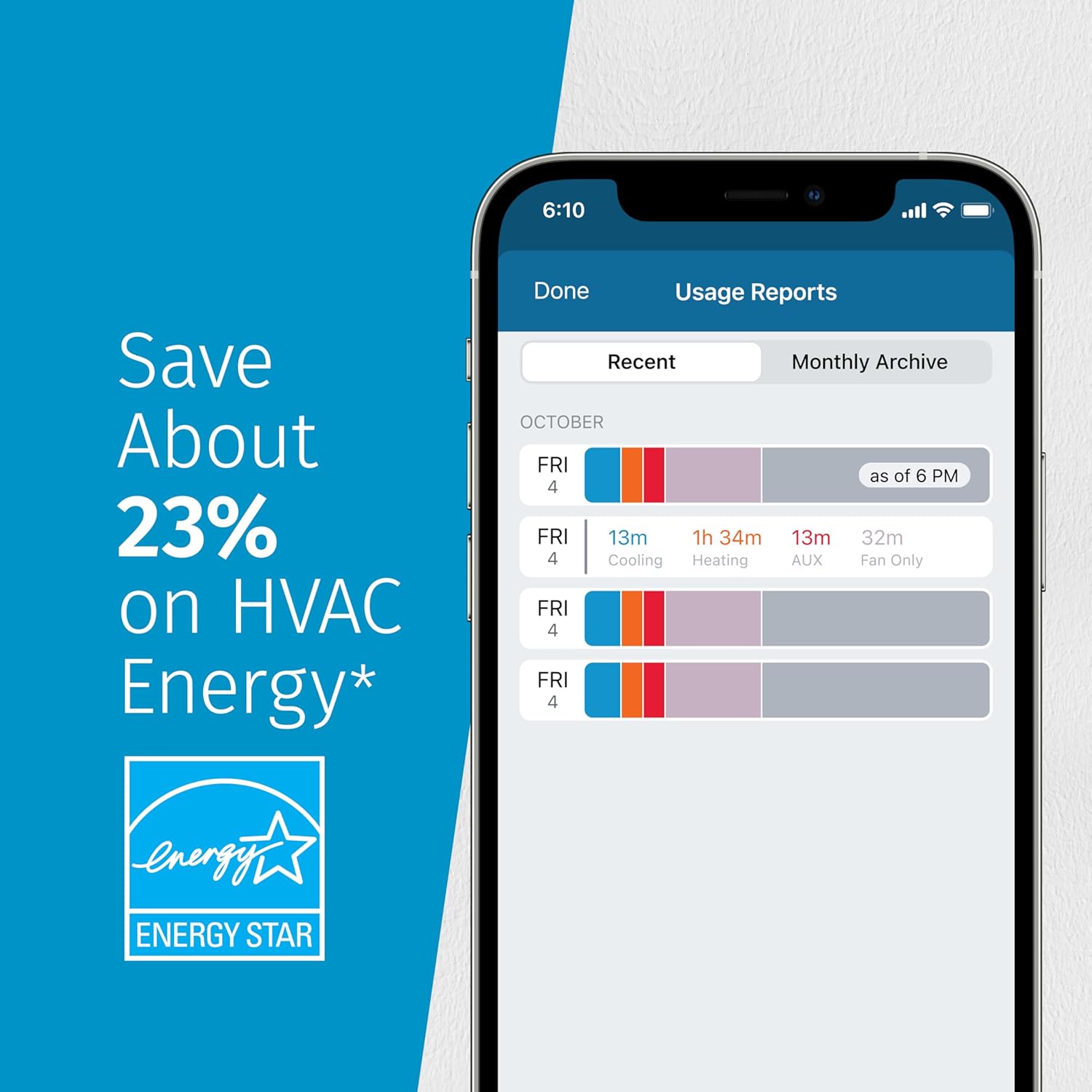
The Sensi ST55’s Energy Star certification ensures it meets stringent guidelines for energy efficiency. By leveraging features like programmable scheduling, usage reports, and remote access, the thermostat helps users optimize heating and cooling cycles to reduce unnecessary energy consumption. Studies indicate that ENERGY STAR-certified thermostats can lower HVAC energy use by up to 10-20%, with the ST55 claiming a 23% savings potential. This efficiency is particularly beneficial for households with variable temperature needs or those aiming to reduce their carbon footprint.
The ST55’s energy-saving capabilities are further enhanced by Emerson’s 100+ years of HVAC expertise, which informs its design to minimize energy waste. Unlike generic thermostats that rely on basic temperature sensors, the ST55 integrates Emerson’s proprietary algorithms to predict and adjust for occupancy patterns. For example, if the thermostat detects prolonged inactivity, it automatically shifts to a minimal energy mode, effectively reducing phantom loads. This intelligent behavior is not commonly found in cheaper alternatives, making the ST55 a standout for households with fluctuating schedules.
Usage Reports and Smart Maintenance Alerts
Beyond direct energy savings, the ST55’s usage reports provide actionable insights into HVAC performance. These reports break down energy consumption by time of day, weather conditions, and user-adjusted settings, allowing homeowners to pinpoint inefficiencies. For instance, a report might reveal that excessive cooling occurs during mild spring days when the thermostat is set to a lower temperature than necessary. Users can then tweak their schedules or adjust settings to align with actual comfort needs.
The thermostat’s smart maintenance alerts further enhance efficiency by notifying users of potential issues, like low battery levels or filter replacements, before they escalate. These alerts are generated using Emerson’s internal diagnostic tools, which monitor HVAC performance metrics such as pressure drops or abnormal temperature gradients. By proactively addressing these issues, the ST55 ensures the HVAC system operates at peak efficiency without requiring constant manual intervention. This feature is especially valuable for users who may not have the technical knowledge to interpret raw system data.
Environmental and Economic Benefits for 2026
As energy costs continue to rise, the ST55’s focus on reducing waste aligns with growing consumer interest in sustainable living. Its ability to adapt to individual household habits—such as adjusting for occupancy or weather conditions—makes it a flexible solution for diverse living environments. For example, the thermostat’s integration with weather APIs allows it to preemptively adjust settings based on incoming forecasts, ensuring comfort without overusing energy.
While the thermostat does not offer real-time carbon tracking, its energy-saving capabilities contribute to broader environmental goals without requiring additional hardware. Emerson’s emphasis on privacy and data security also positions the ST55 as a safer alternative to competitors that aggregate user behavior for third-party analytics. This makes it an attractive option for environmentally conscious consumers who want to reduce their energy bills without compromising on data privacy.
Privacy Considerations and Data Security
Encrypted Communication and Anonymized Data Collection
The Sensi ST55 prioritizes user privacy through its encrypted communication protocols and anonymized data collection practices. Unlike some smart thermostats that aggregate user behavior for third-party analytics, the ST55 does not sell personal information to external entities. Instead, it focuses on anonymizing data for internal system optimization, ensuring users retain full control over their climate preferences and energy usage metrics.
The thermostat’s data anonymization process involves stripping personally identifiable information (PII) from usage logs before transmitting them to Emerson’s servers. For example, instead of recording a user’s exact temperature adjustments, the system logs generalized patterns, such as “cooling duration increased by 15% during weekdays.” This approach prevents the identification of individual user behavior while still allowing Emerson to refine its algorithms for energy efficiency.
Secure Ecosystem Integration with No Compromises
While the thermostat integrates with Alexa and other platforms, its privacy features remain intact. All voice commands are processed locally or through encrypted cloud channels, minimizing the risk of data leaks. Additionally, users can disable connectivity features entirely if they prefer a more isolated setup. This balance between ecosystem compatibility and data security addresses concerns about smart home devices compromising user privacy.
The ST55’s encryption standards are aligned with industry benchmarks, including AES-256 for data at rest and TLS 1.3 for communication over the internet. These measures ensure that even if a hacker gains access to the thermostat’s network, they cannot decrypt or misuse the data. Emerson also provides users with granular control over data sharing settings, allowing them to opt out of specific features like location tracking or behavioral analytics.
Compliance with Industry Privacy Standards
The ST55’s adherence to data protection regulations, such as the EU’s General Data Protection Regulation (GDPR), ensures it meets global privacy benchmarks. Its design avoids the use of persistent cookies or location-based tracking, making it a safer option for users in regions with strict data privacy laws. This compliance reinforces the thermostat’s reputation as a trusted device for households prioritizing online safety.
Emerson has also implemented additional safeguards, such as a “Privacy Mode” that disables all data collection and connectivity features. This mode is particularly valuable for users who want to ensure their thermostat operates independently of external ecosystems, offering a true “set-it-and-forget-it” experience. The company’s transparency in its product documentation further builds trust, as it clearly outlines how data is collected, stored, and used.
Ease of Setup and Everyday Usability

Simultaneous Button and Touch Control for Accessibility
The Sensi ST55’s user-friendly interface combines traditional button controls with a touchscreen display, catering to users of all ages and technical backgrounds. This dual-control approach reduces the learning curve for first-time smart thermostat users while offering advanced customization options for tech-savvy households. The 5-inch display ensures readability from a distance, making it easier to adjust settings without requiring close proximity.
The thermostat’s button layout is designed with ergonomics in mind, featuring tactile feedback to prevent accidental presses. For users who prefer physical controls, the buttons allow quick adjustments for temperature and fan speed without navigating through the touchscreen. The touchscreen interface, however, offers more advanced features like graph-based energy usage reports and compatibility with smart home ecosystems. This hybrid design ensures the ST55 remains accessible to both novice and experienced users.
Intuitive App Integration and Remote Access Features
The thermostat’s mobile app provides a centralized hub for managing climate control, allowing users to adjust settings remotely via their smartphones. Features like push notifications for temperature anomalies and customizable alerts ensure users stay informed without constant manual checks. The app’s compatibility with both iOS and Android platforms enhances accessibility, though some users have reported occasional connectivity lags during peak usage hours.
The app’s design emphasizes simplicity, with a clean interface that mirrors the thermostat’s physical controls. Users can set custom schedules, monitor energy usage in real time, and receive maintenance alerts directly within the app. Emerson’s engineers have also implemented a “Smart Assistant” mode that learns user preferences over time, automatically adjusting settings based on historical data. However, users with complex HVAC systems may need to manually override these suggestions for optimal performance.
Simplified Installation for DIY Enthusiasts
The ST55’s emphasis on DIY installation is a standout feature, eliminating the need for professional HVAC assistance. The included level and step-by-step app instructions streamline the process, although users with complex HVAC systems may need additional troubleshooting. While common wire (c-wire) is not required in most cases, some installations may require minor modifications to existing wiring setups.
Emerson’s documentation provides detailed guidance for common HVAC configurations, including compatibility with forced-air systems, radiant heating, and heat pumps. The installation process is further simplified by the thermostat’s automatic calibration feature, which adjusts for regional climate conditions and user preferences. However, users with older HVAC systems may need to consult a technician if they encounter compatibility issues or unusual behavior during installation.
Pros & Cons
Pros
- Energy Savings: ENERGY STAR certification ensures measurable reductions in HVAC energy use. Emerson’s proprietary algorithms and compatibility with weather APIs contribute to an average 23% savings, making it a standout for households aiming to cut utility bills.
- Privacy Protection: Anonymized data collection and no third-party data sharing enhance user security. The thermostat’s encryption standards and GDPR compliance make it a safer alternative to competitors that aggregate user behavior for analytics.
- Smart Maintenance Alerts: Proactive notifications reduce equipment wear and improve system efficiency. Emerson’s internal diagnostic tools monitor HVAC performance metrics, alerting users to potential issues like low battery levels or filter replacements.
- Ecosystem Compatibility: Seamless integration with Alexa, Google Assistant, and other platforms allows for voice-controlled adjustments and smart home automation. The thermostat’s support for Apple HomeKit and SmartThings expands its versatility in connected ecosystems.
- DIY-Friendly Installation: No c-wire required in most applications, simplifying home integration. The step-by-step app instructions and automatic calibration feature make it accessible for DIY enthusiasts without professional assistance.
- User-Friendly Interface: Dual-button and touchscreen controls cater to a wide range of users. The 5-inch display ensures readability, while the app’s intuitive design allows for remote management without technical barriers.
Cons
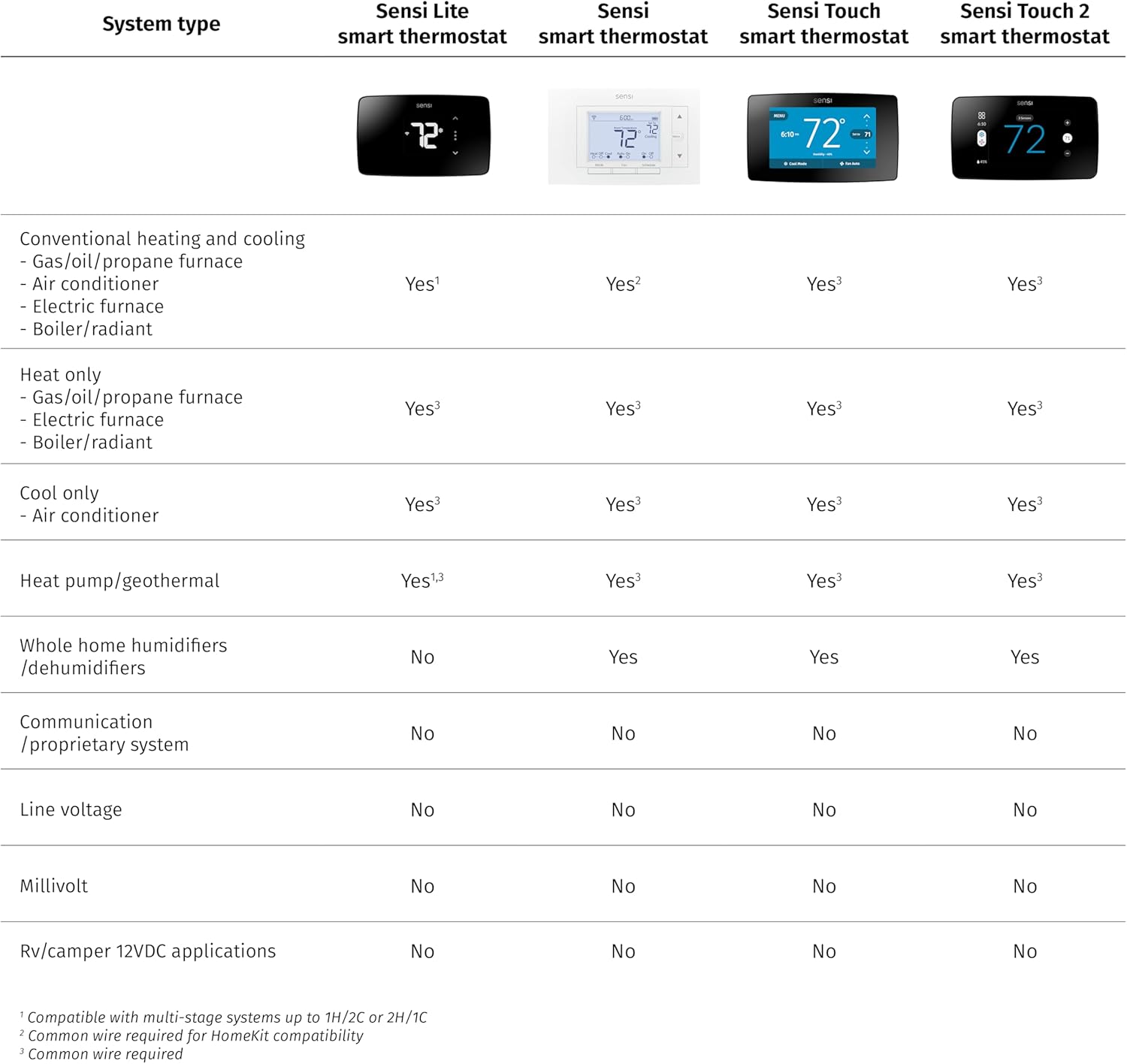
- Limited HVAC Compatibility: May not support all types of heating or cooling systems. The ST55 is optimized for forced-air and radiant heating, but users with older HVAC setups may need additional components or adjustments.
- Occasional Connectivity Issues: Some users report intermittent app lag during peak usage hours. While Emerson’s encryption standards are robust, network congestion or outdated device firmware can occasionally affect app responsiveness.
- No Real-Time Carbon Tracking: While energy-efficient, it does not provide detailed carbon footprint metrics. Users interested in tracking their environmental impact may need to rely on external tools or manual calculations.
- Learning Curve for Advanced Features: Less tech-savvy users may require time to master all functionalities. The thermostat’s smart assistant mode and advanced scheduling features could be overwhelming for first-time users unfamiliar with smart home ecosystems.
Final Verdict: Who This Device Is Best For (and Who Should Skip It)
The Sensi Smart Thermostat ST55 is an excellent choice for eco-conscious homeowners seeking a balance between energy efficiency and data privacy. Its seamless integration with Alexa and other ecosystems makes it ideal for smart home environments, while its emphasis on user privacy addresses common concerns about data leaks. The thermostat’s straightforward installation and dual-control interface also make it a strong contender for both DIY enthusiasts and first-time smart thermostat users.
However, the ST55 may not be the best fit for households with complex HVAC systems or those requiring advanced diagnostics. Its lack of real-time carbon tracking and occasional connectivity issues could also be drawbacks for users with specific environmental monitoring needs. For those prioritizing maximum energy savings without compromising on privacy, the ST55 remains a reliable and versatile option in 2026.

Frequently Asked Questions (FAQs)
Can the Sensi Smart Thermostat ST55 save energy in 2026?
Yes, the Sensi ST55 claims to save up to 23% on HVAC energy use through ENERGY STAR certification and features like programmable scheduling. Its usage reports help identify inefficiencies, making it a reliable choice for reducing energy waste.
Is the Sensi thermostat compatible with Amazon Alexa?
The ST55 supports voice control via Amazon Alexa, allowing users to adjust settings remotely. It also integrates with Google Assistant and Apple HomeKit for multi-platform compatibility.
How long does it take to install the Sensi thermostat?
Most users report a 1-2 hour installation time using the included level and step-by-step app instructions. Complex HVAC systems may require additional troubleshooting, but common wire is not required in most cases.
Does the Sensi thermostat collect personal data?
The ST55 does not sell user data to third parties and anonymizes collected information for internal system optimization. All communication is encrypted, ensuring user privacy without compromising smart home functionality.
Can the Sensi thermostat work with non-smart HVAC systems?
The ST55 is designed to integrate with traditional HVAC equipment, including furnaces and heat pumps. However, compatibility may vary depending on the specific system configuration.
What are the privacy concerns with smart thermostats?
Smart thermostats like the Sensi ST55 may collect usage data, but the ST55 prioritizes privacy by anonymizing this information and not sharing it with third parties. Users should review the manufacturer’s data policies for full transparency.
Is there a warranty for the Sensi Smart Thermostat ST55?
The device comes with a 3-year manufacturer warranty, covering defects in materials and workmanship. Extended coverage may be available through Amazon’s return policy for defective units.
How does the Sensi thermostat compare to other smart thermostats in 2026?
The ST55 stands out for its emphasis on data privacy and energy savings, making it a strong option for eco-conscious users. While some competitors offer advanced diagnostics, the ST55’s focus on simplicity and security gives it a distinct advantage in 2026.