

Security cameras and doorbells: resolution, battery or wired, field of view, and the subscription
A security camera is a lens, a radio and a way of storing what it sees. The specification sheet is resolution, power and field of view; the line that decides the running cost — whether the footage is free to keep — is on the manufacturer’s plans page, and a review brings it here.
What the category is
Battery cameras (Blink Outdoor, Ring Stick Up, Arlo, eufy) that go anywhere and wake on motion; wired cameras that record continuously; video doorbells, battery or wired, with two-way talk; floodlight and spotlight cameras for driveways; indoor cameras for pets and rooms; alarm systems with sensors and a keypad. Blink and Ring are Amazon’s, work with Alexa, and are half this site’s category.
How to read the spec sheet
Resolution: 1080p is enough to see who; 2K and 4K read a licence plate at the kerb. Night vision is infrared (black and white) or colour with a light; the sheet says which.
Power: battery (with the months claimed and the events-per-day assumption behind them), wired to mains, wired to doorbell transformer (and the voltage it needs), or solar-assisted. A battery doorbell on a busy street lasts weeks, not the year on the box.
Field of view in degrees, horizontal and vertical. A doorbell with a tall or square field sees the parcel on the step; a wide-but-short one does not.
Storage and subscription: cloud storage with a monthly plan (Ring, Blink, Arlo, Nest), local storage on a card, hub or base station (eufy, Reolink, Blink’s Sync Module with a USB drive), or both. The plan’s price and what is free without it come from the manufacturer’s page, and they decide the camera’s cost over three years.
Detection: motion zones, person and package detection (often behind the plan), and pre-roll. The sheet lists them; the plan gates them.
Weather rating (IP65 or 66), operating temperature, and Wi-Fi band (2.4 GHz only on most) are the installation lines.
Hub required: Blink needs a Sync Module; Arlo often a base station; Ring does not. On the sheet, sometimes in the box, sometimes not.
Who it suits
A battery doorbell for a house without doorbell wiring; a wired doorbell where the wiring exists; a Blink or Ring set for an Alexa household that accepts the plan; eufy or Reolink for anyone who wants footage stored at home for nothing a month; a floodlight camera for a driveway.
Who should skip it
Anyone unwilling to pay monthly, before checking what the camera keeps for free. And anyone whose Wi-Fi does not reach the door: a mesh system comes first.
Where to start
Or answer four questions and let the device finder narrow the 135 to the ones that fit how you sleep.
Six of the 135 security cameras & doorbells devices reviewed on this site, one per model, across manufacturers. Every review is written from the manufacturer’s published specifications — how, and what that leaves out.
- Blink Outdoor 4 + Blink Mini
- Blink Mini
- All-New Ring Battery Doorbell Plus Bundle
- Wyze Cam Pan v3
- aosu SolarCam D1 Classic Kit
- Hidden Camera M5
All 135 security cameras & doorbells device reviews
Newest first. Consumables, accessories and parts that were once filed here are excluded.
-
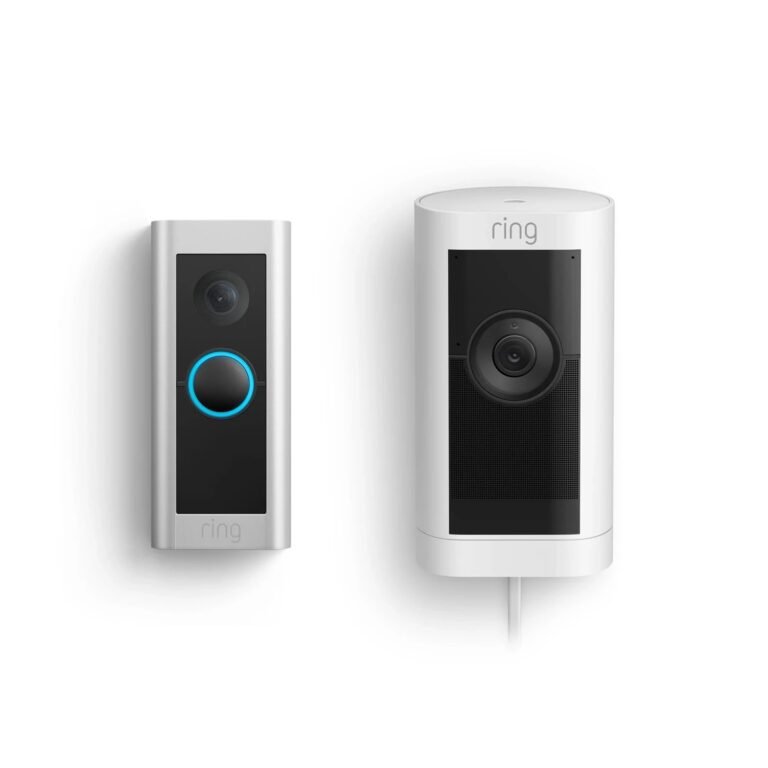
Ring Wired Doorbell Pro with Ring Stick Up Cam Pro: A Comprehensive Guide for 2026
Evaluate the Ring Wired Doorbell Pro with Ring Stick Up Cam Pro for 2026 smart home security. Explore features, compatibility, and user…
-
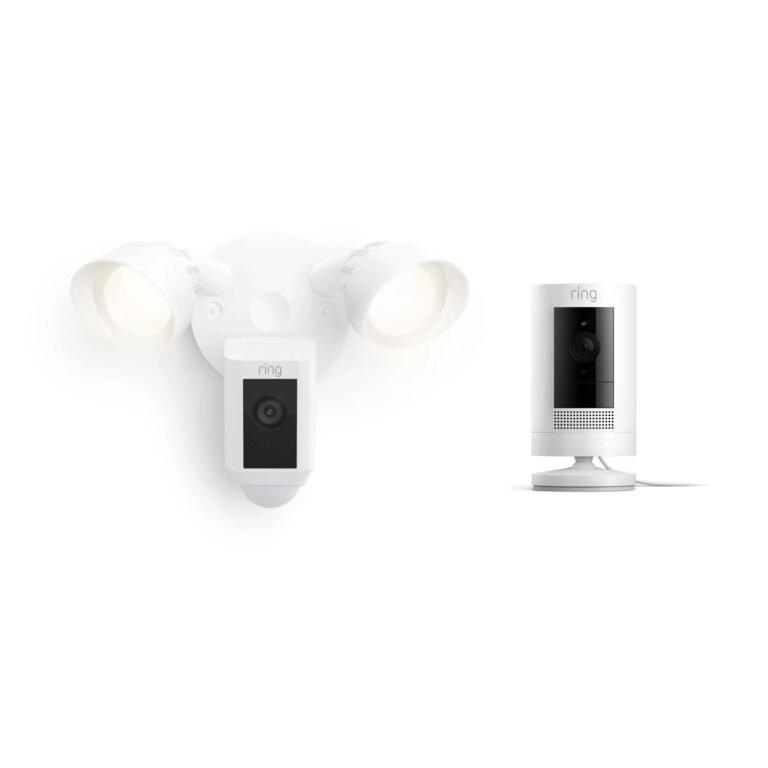
Ring Floodlight Cam Plus & Stick Up Cam Bundle: Comprehensive Review
Discover the features, benefits, and specifications of the Ring Floodlight Cam Plus & Stick Up Cam bundle. Enhance your home security with…
-
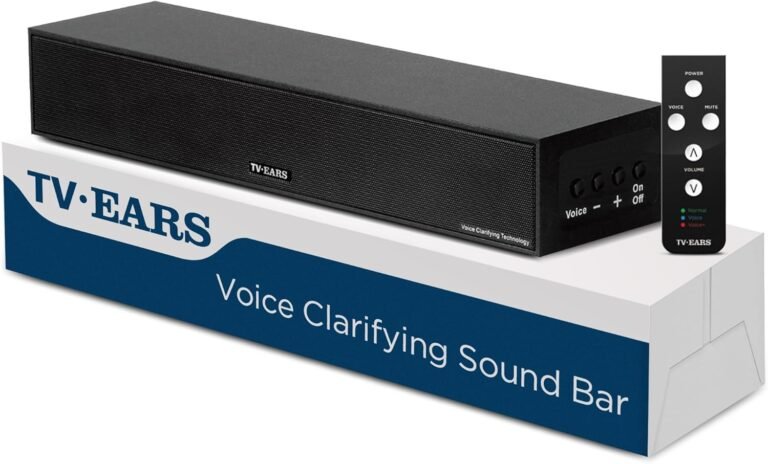
TV · Ears Sound Bar Review: Voice Clarity, Universal Compatibility, and Easy Setup for Hearing Impaired Users
The TV · Ears Sound Bar offers voice clarification for hearing impaired users, universal TV compatibility, and simple setup. Ideal for seniors…